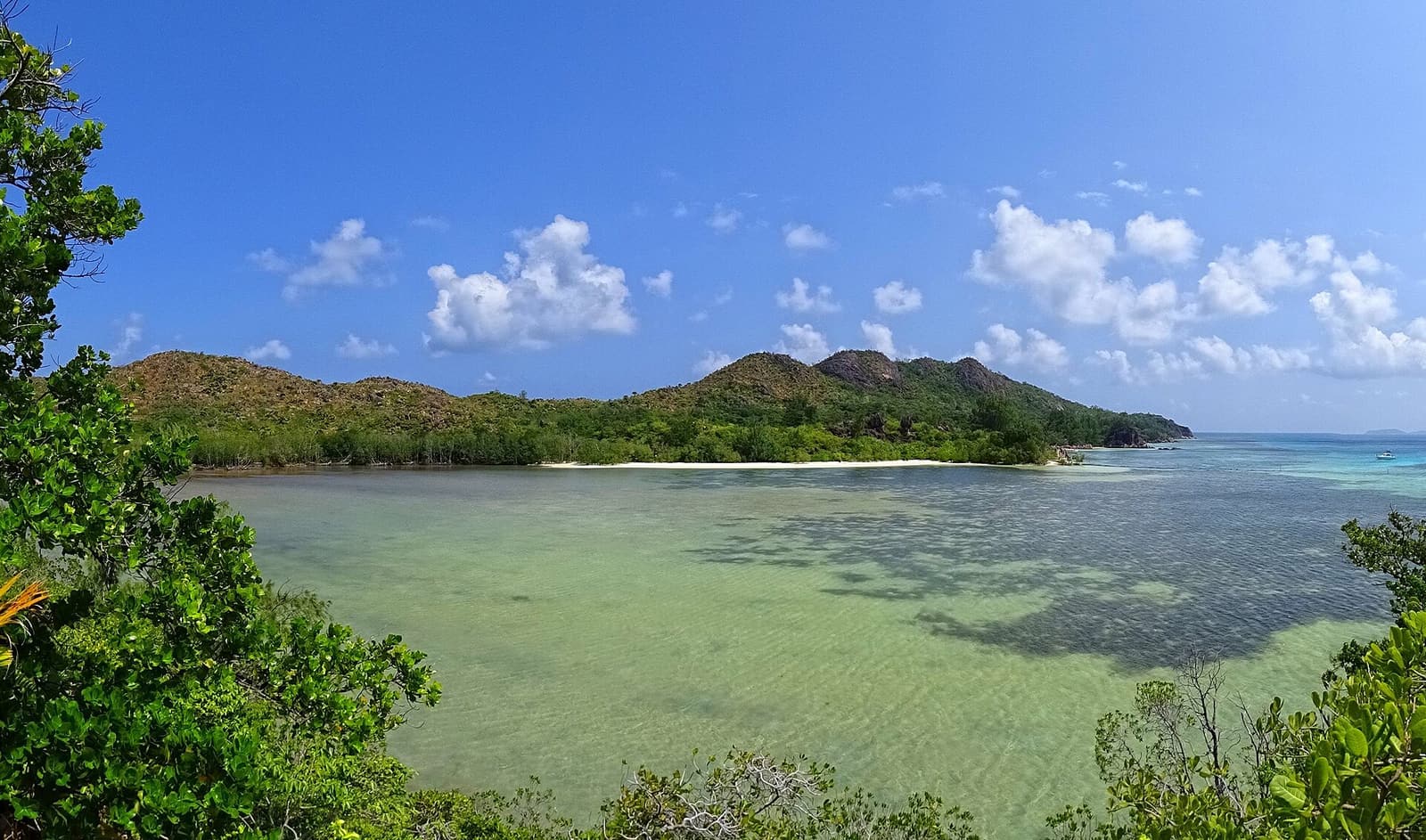
Curieuse is small, but as a national park it protects a remarkable concentration of Seychelles nature: giant tortoises on land, coco de mer on the hills, mangroves in the bays, turtles on the beaches and reef fish all around.
The Aldabra giant tortoises
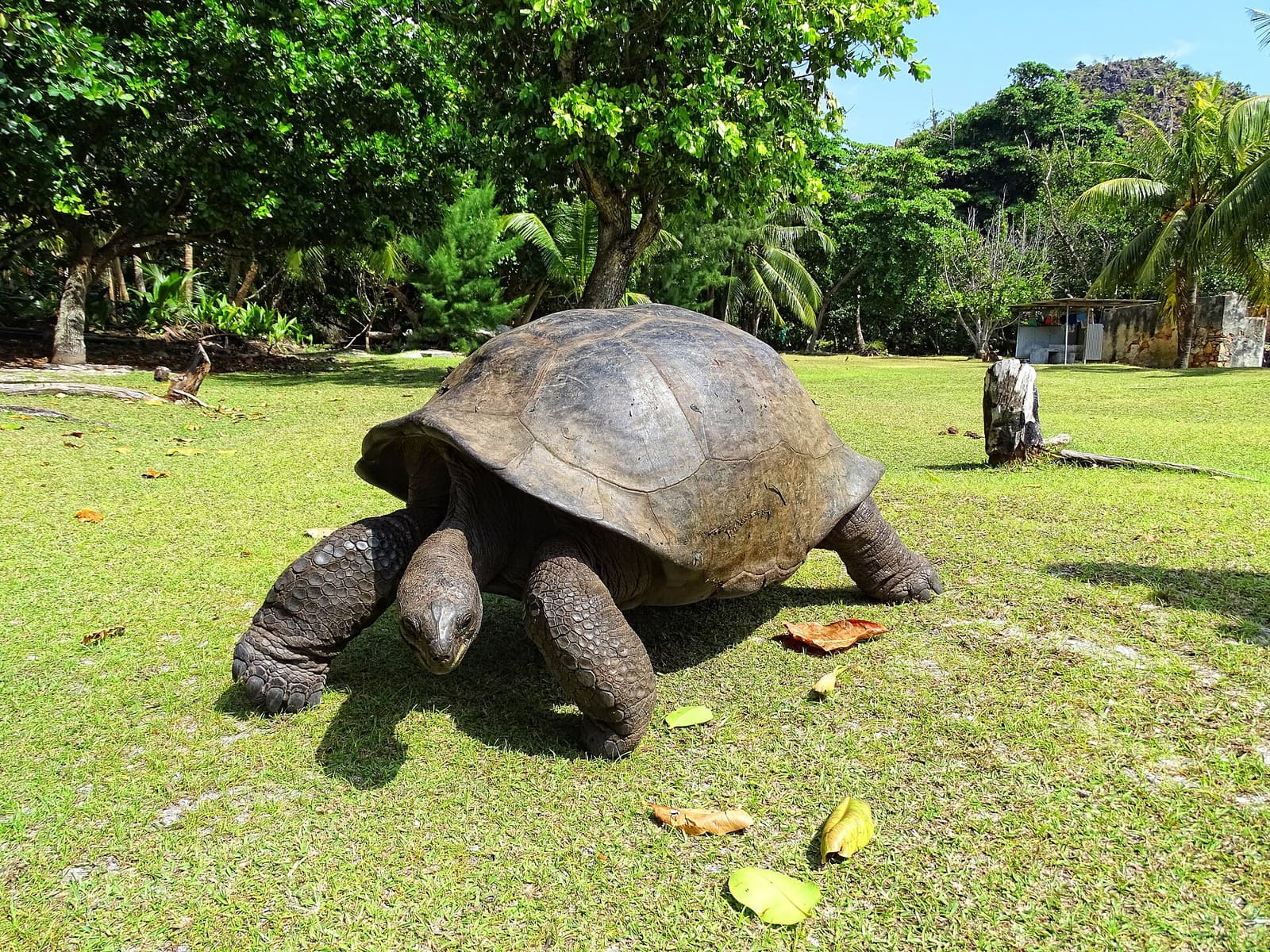
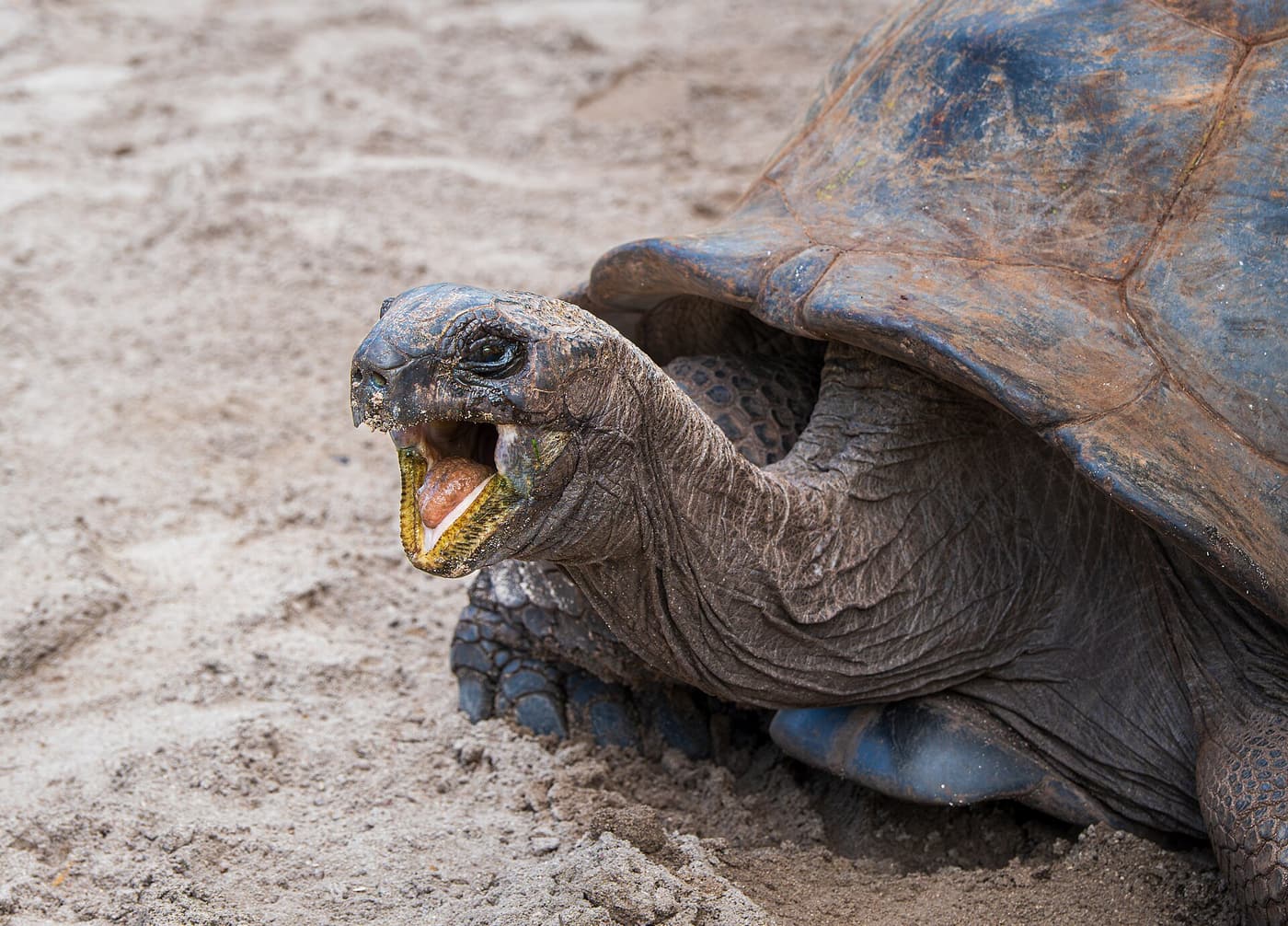
The giant tortoises you meet on Curieuse are Aldabra giant tortoises (Aldabrachelys gigantea), one of the largest tortoise species in the world. The island’s own tortoises disappeared long ago, hunted for food by passing ships and settlers. Between 1978 and 1982 a conservation project relocated tortoises from Aldabra, the remote atoll in the far south-west of the Seychelles, and the population has grown to more than 300.
Many live around the ranger station at Baie Laraie, where the lawns and shade suit them; the rest roam the island. Adults can weigh as much as a person or more and live for well over a century. Young tortoises are reared in a nursery at the station until they are big enough to be released.
Meeting the tortoises responsibly
- Move slowly and let them come to you; many will stretch out their necks.
- Never sit or stand on a tortoise, lift one, or chase it.
- Do not feed them food you have brought — it can make them ill.
- Keep your fingers away from their mouths: they mean no harm, but they bite leaves hard.
- Follow the rangers’ instructions around the nursery.
The coco de mer
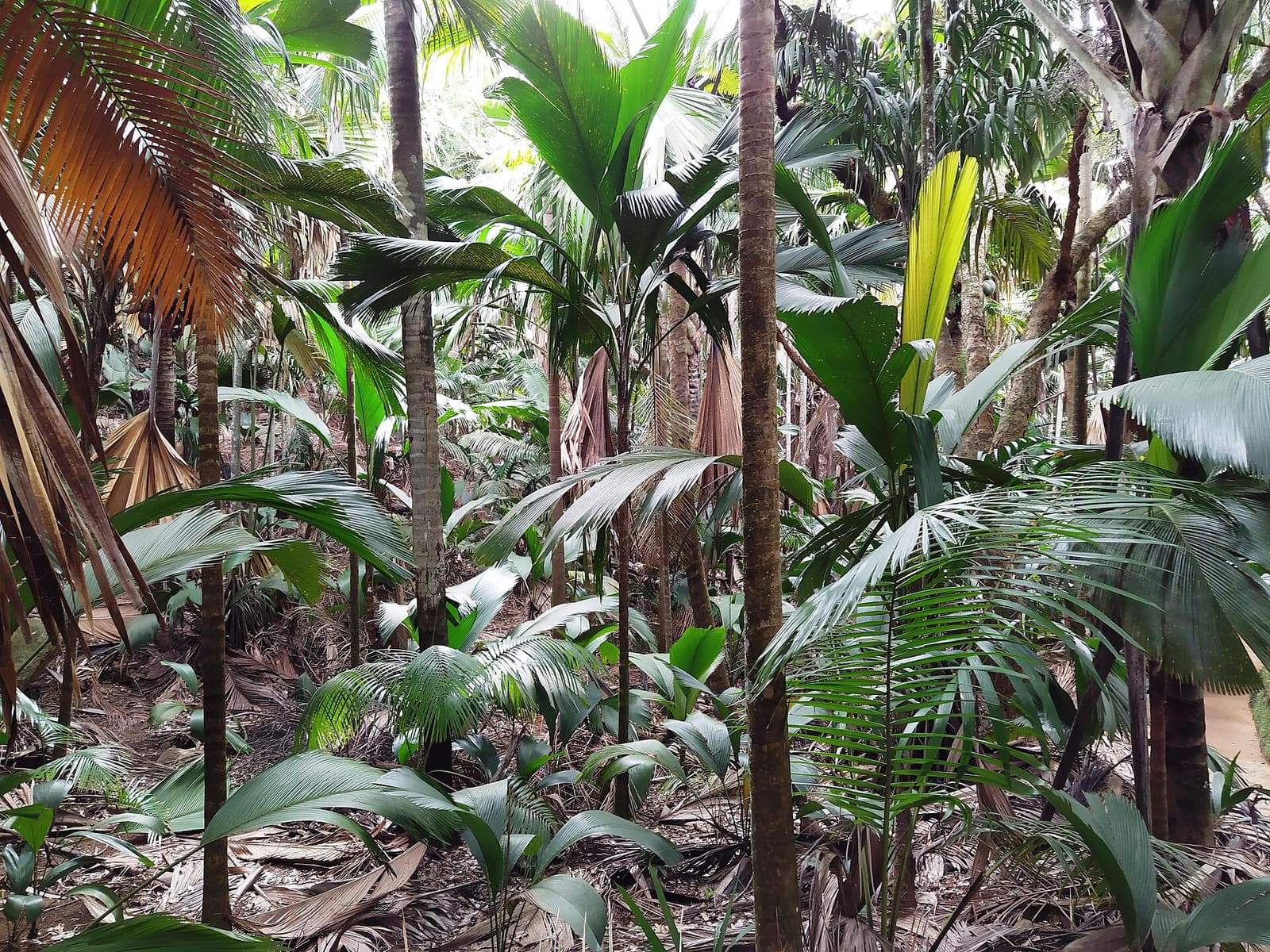
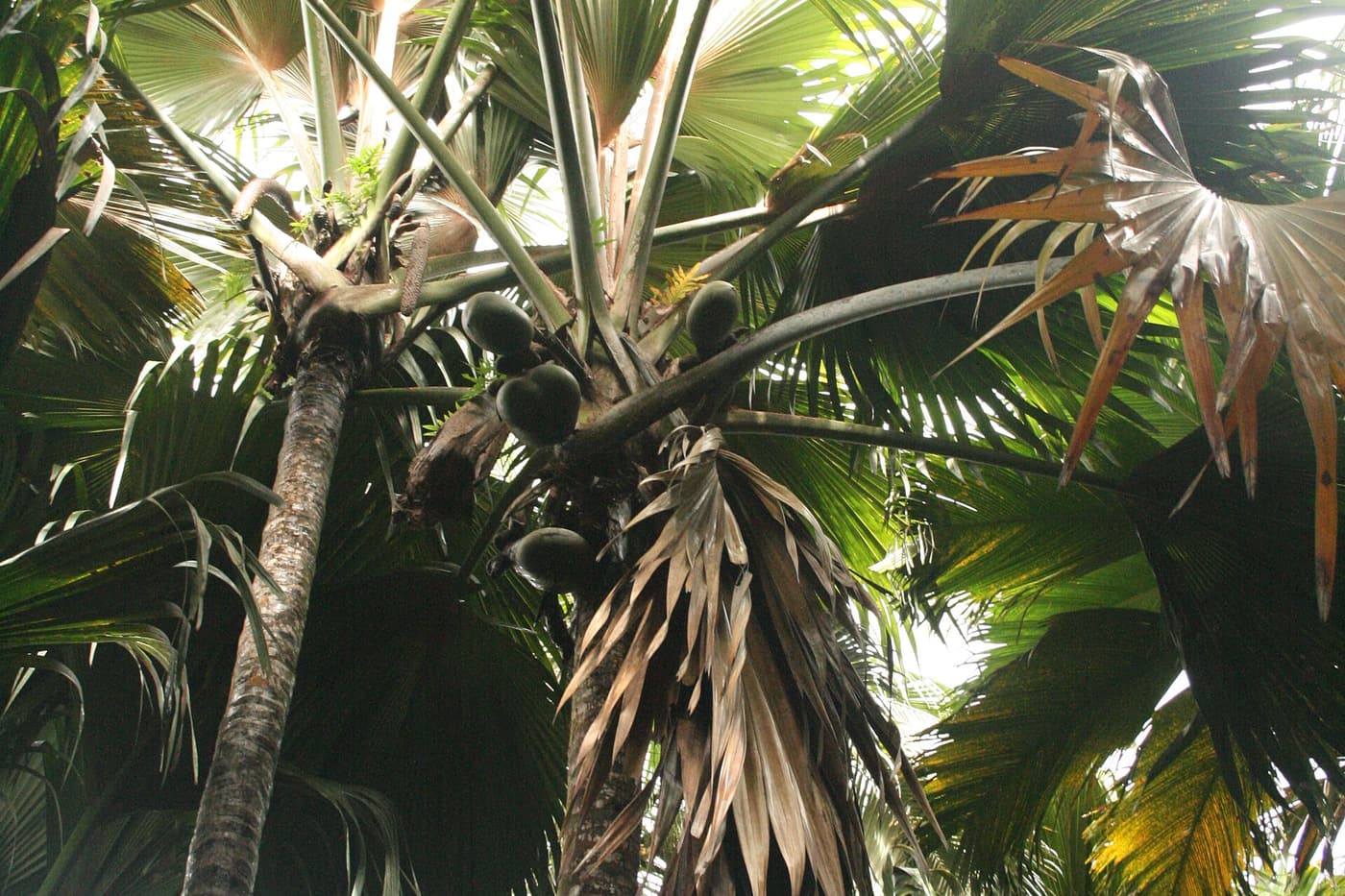
The coco de mer (Lodoicea maldivica) is the Seychelles’ most famous plant and grows naturally on only two islands in the world: Praslin and Curieuse. Its seed is the largest in the plant kingdom, and its strange double shape made it the stuff of legend long before anyone knew where it came from — nuts washed up on the shores of the Maldives and India and were thought to grow on trees beneath the sea.
The palms are either male or female; the females carry the giant nuts, which take years to mature. On Curieuse you pass coco de mer palms, many of them young, along the trail across the island; the fire of 1967 killed more than 150 of them, and the population is still recovering. To see a mature coco de mer forest, visit the Vallée de Mai on Praslin.
Coco de mer nuts are protected. Never pick one up or take one away; souvenir nuts can be bought only from licensed sellers who provide an official export permit.
 Full-day boat trip from €79
Praslin: Curieuse & St. Pierre Full-Day Boat Trip with Lunch
The most-reviewed Curieuse trip on GetYourGuide, with close to 1,900 reviews. The classic day: snorkel off the granite islet of St Pierre, land at the ranger station to meet the tortoises, walk through the mangroves to a quiet beach, then eat a barbecue lunch and swim before the boat takes you back to Praslin.
- Giant tortoises and the mangrove walk on Curieuse
- Snorkelling at St Pierre, gear included
- Barbecue lunch on the beach
Full-day boat trip from €75 Praslin: Curieuse & St Pierre Island Day Trip with Barbecue
Another well-established full-day outing with nearly 900 reviews: tortoises and the nature trail on Curieuse, a Creole barbecue and time on the beach, and a snorkel in the clear water around St Pierre on the way back.
- Meet the giant tortoises
- Nature trails and a swim on Curieuse
- Creole barbecue, then snorkelling at St Pierre
 Three-island day trip from €140
Island Adventure Cousin, Curieuse & St Pierre with BBQ Bliss
Three islands in one day: the seabirds and endemic land birds of Cousin, a protected reserve, then Curieuse for the tortoises and lunch, and a snorkel at St Pierre. Cousin is normally open to visitors only on certain days and at certain times, so the departure days of this trip are limited — check the listing.
- Cousin Island bird reserve
- Curieuse’s giant tortoises
- Snorkelling at St Pierre and a beach BBQ
 Small-group land tour from €65
Praslin: Vallée de Mai and Anse Lazio Beach Full-day Tour
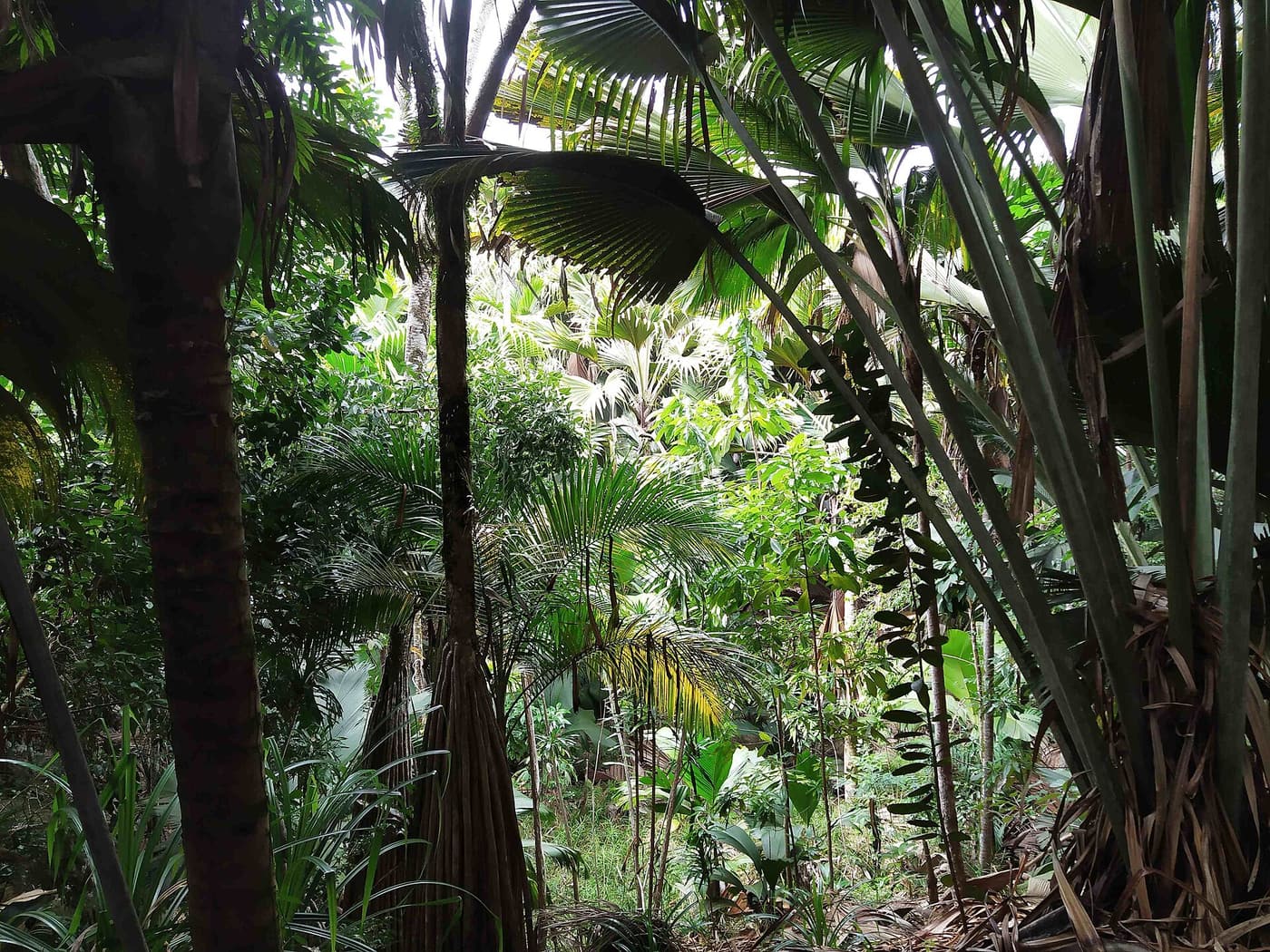
The perfect companion to a day on Curieuse. The Vallée de Mai is the other home of the coco de mer — a UNESCO-listed palm forest where you can see the giant nuts on the trees — and the tour ends at Anse Lazio, often called the most beautiful beach on Praslin. Entrance fees: check what is included.
- The coco de mer forest of the Vallée de Mai
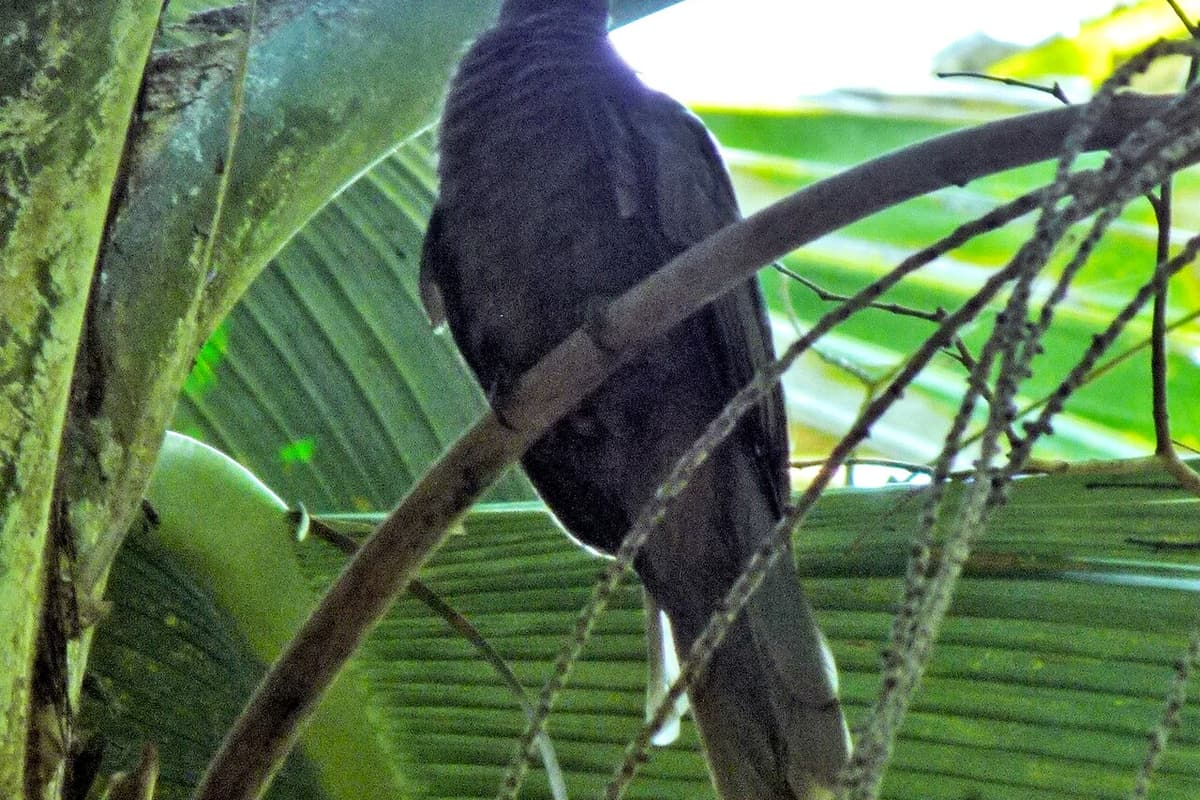
- A chance of the Seychelles black parrot
- Afternoon at Anse Lazio
 Private guided walk from €75
Praslin: Private Tour of Vallée de Mai with a Live Guide
A private 90-minute guided visit of the Vallée de Mai, the “Garden of Eden” of legend. Check on the listing whether the park entrance fee is included.
- A private guide in the coco de mer forest
- Go at your own pace
- Rated 4.7
 Guided nature walk from €88
Praslin: Vallee de Mai Guided Hike with Transfer
A two-hour guided walk in the Vallée de Mai with transport from your hotel. A guide makes a great difference here: they know where the black parrots feed and can explain the strange biology of the coco de mer.
- UNESCO World Heritage palm forest
- Endemic plants and animals explained
- Hotel transfer
The mangroves
The mangrove forest at the head of Baie Laraie is one of the finest in the granitic Seychelles, and a raised boardwalk lets you walk through it. Several species of mangrove grow here. Look for crabs among the roots, mudskippers on the mud at low tide and herons waiting in the channels. Mangroves shelter young fish, protect the coast from erosion and store large amounts of carbon.
Sea turtles
Curieuse has an important nesting beach for hawksbill turtles, which in the Seychelles often nest by day, mainly between about October and March. If you are lucky enough to see a turtle on the beach, keep well back, stay quiet, never use flash and do not touch it or its eggs. Green and hawksbill turtles are also sometimes seen in the water while snorkelling.
Birds
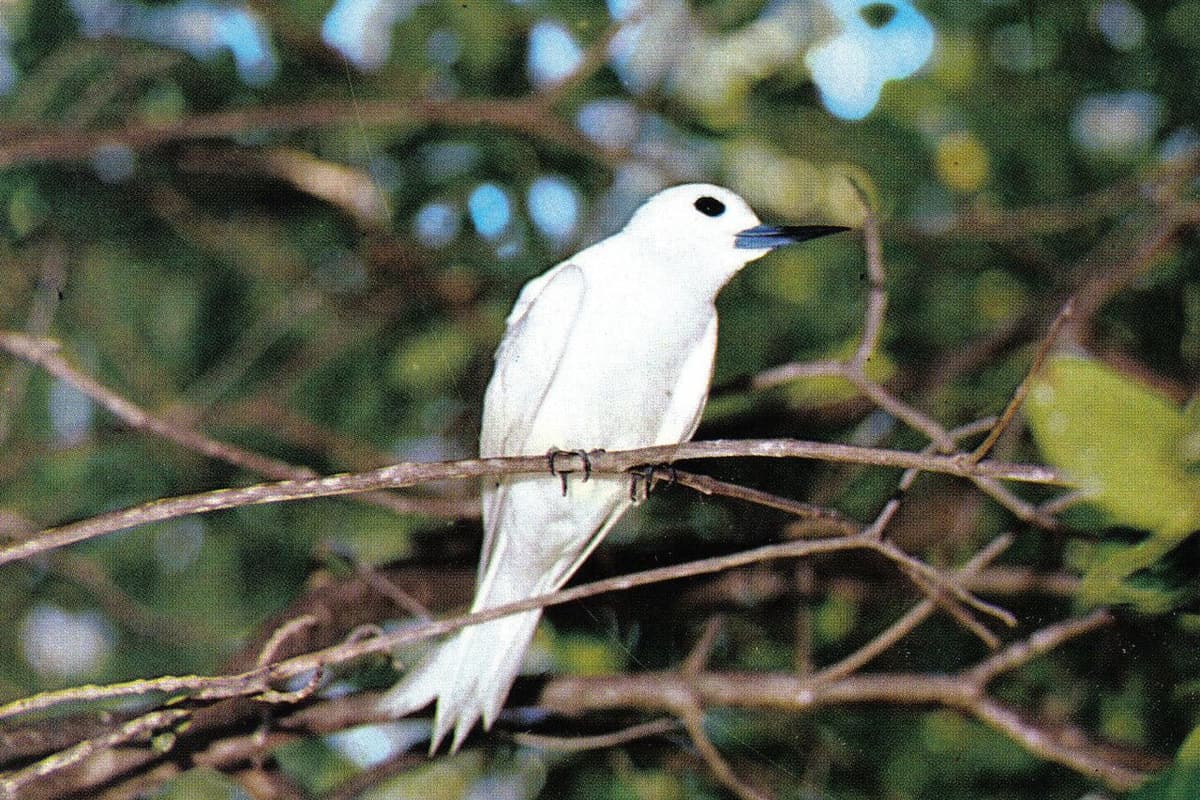
Look for herons in the mangroves, white fairy terns and tropicbirds over the hills, and frigatebirds high overhead. The rare Seychelles black parrot — found only on Praslin and Curieuse — has been recorded here, although it breeds in Praslin’s palm forests. For a true seabird spectacle, visit Cousin Island, a short boat ride away.
Under the water
The marine park protects the reefs around Curieuse and St Pierre. Snorkellers see parrotfish, surgeonfish, butterflyfish, angelfish, triggerfish and sometimes rays and turtles. See our snorkelling guide.
See it for yourself
The trips below all include the tortoises, the mangrove walk and the coco de mer trail; the Vallée de Mai tours complete the coco de mer story on Praslin.