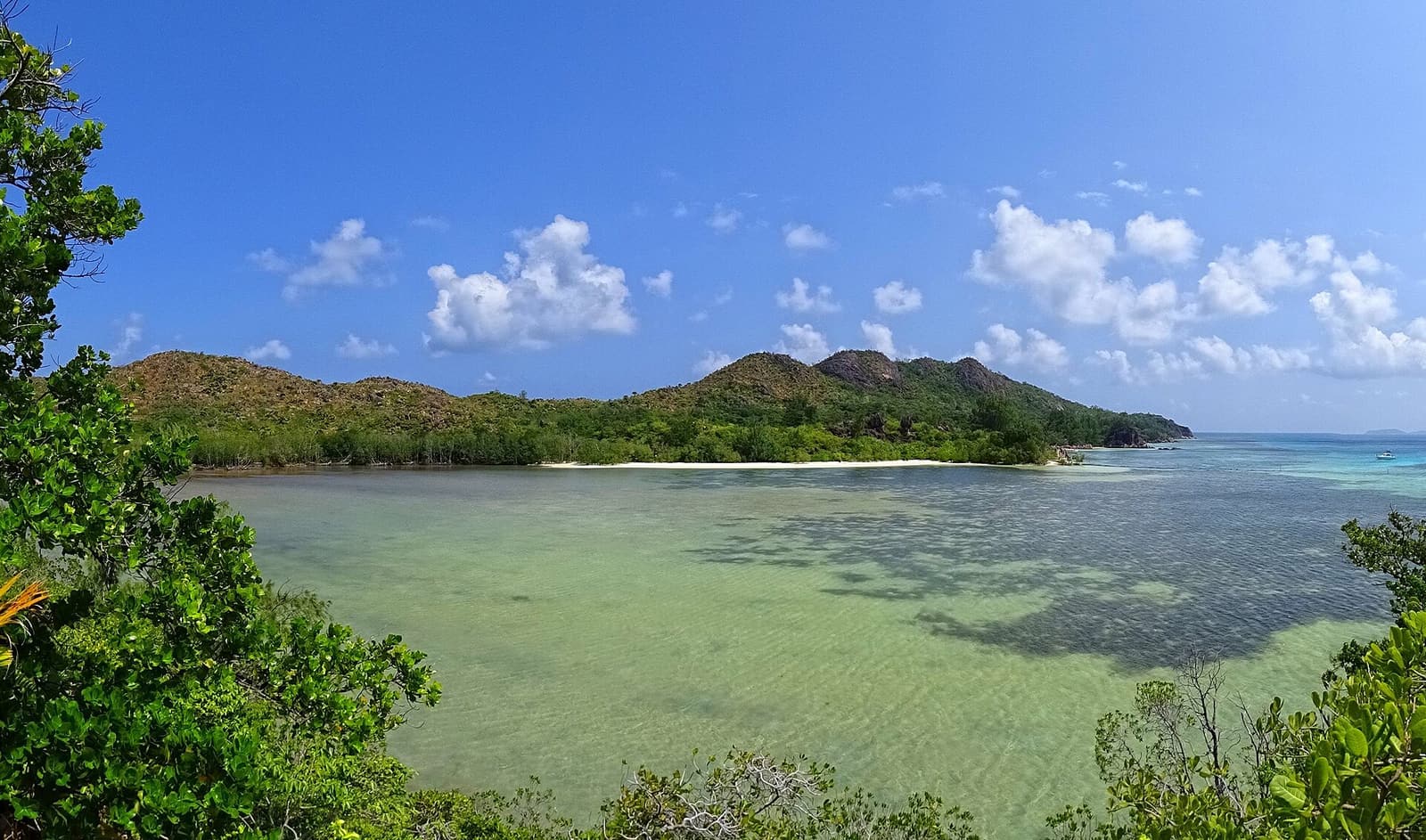
From 1829 to 1965 Curieuse was a leper colony. People with leprosy were sent here from across the Seychelles, separated from their families by a strip of sea. The isolation that made the island a place of exile also kept it largely free of development, which is one reason it could later become a national park.
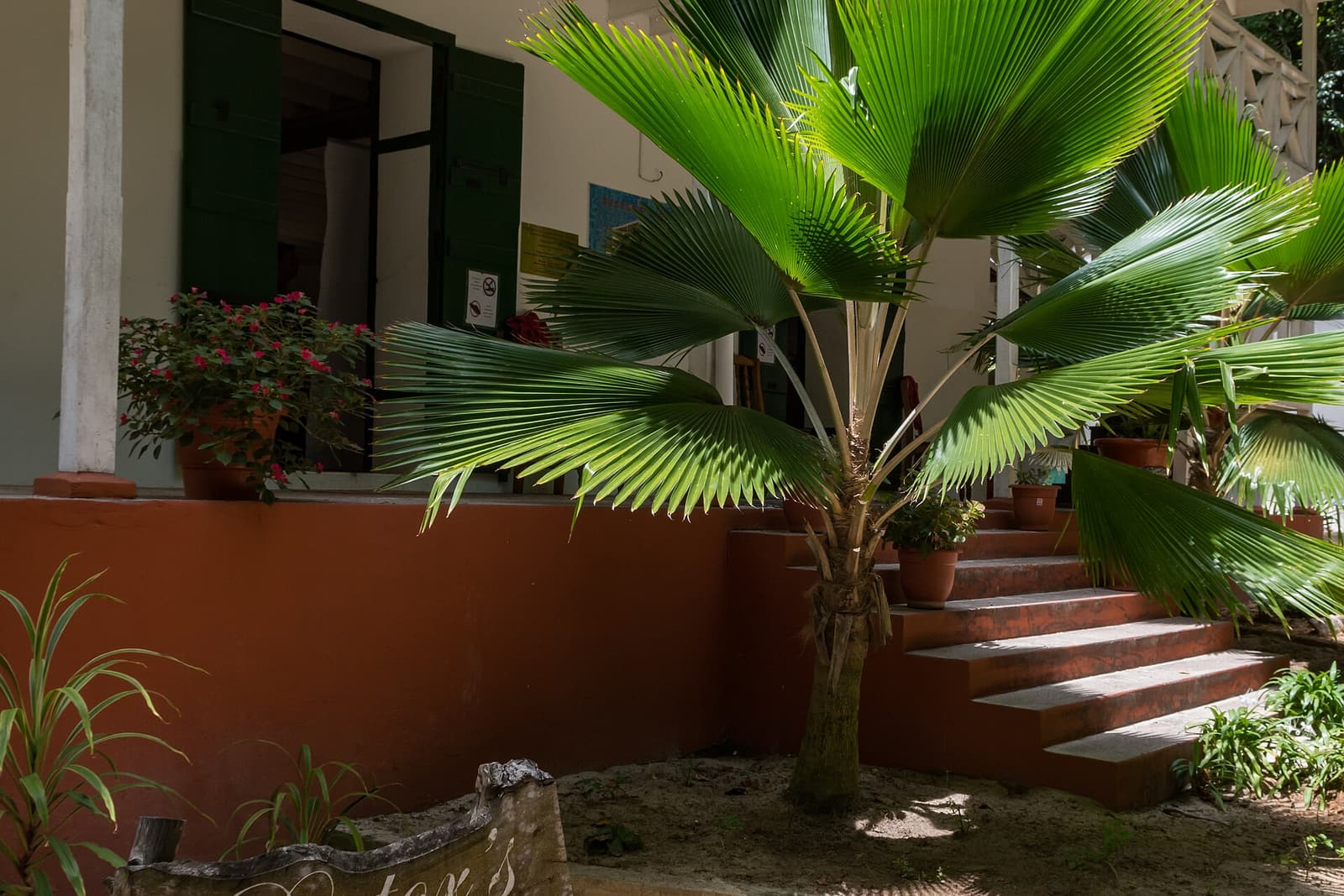
The colony’s most substantial building, the Doctor’s House, still stands above the beach at Anse José — also written Anse St José or Anse St Joseph. Restored, with its veranda and shuttered windows, it now holds a small museum and visitor centre with displays on the history of the leper colony and the island’s nature. The scattered ruins of the old leprosarium lie in the vegetation nearby.
What to see and do: The Doctor’s House & Anse José
Visit the Doctor’s House museum
The exhibits are modest but moving: photographs and stories of the people who lived here, and panels on the island’s plants and animals and on the work of the national park. A visit takes 15 to 30 minutes. Opening depends on the park’s visiting hours; tour guides usually leave time for it before or after lunch.
See the ruins of the leper colony
Low walls and foundations of the old colony buildings survive among the trees near the beach. Treat them with respect — this was a place of real suffering — and do not climb on the walls.
Have lunch on the beach
Anse José is where most full-day boat trips set up their barbecue: grilled fish, chicken or sausages, Creole rice and salads, and fruit, under the trees. On half-day trips without lunch, bring a picnic and take all your rubbish away with you.
Swim and snorkel
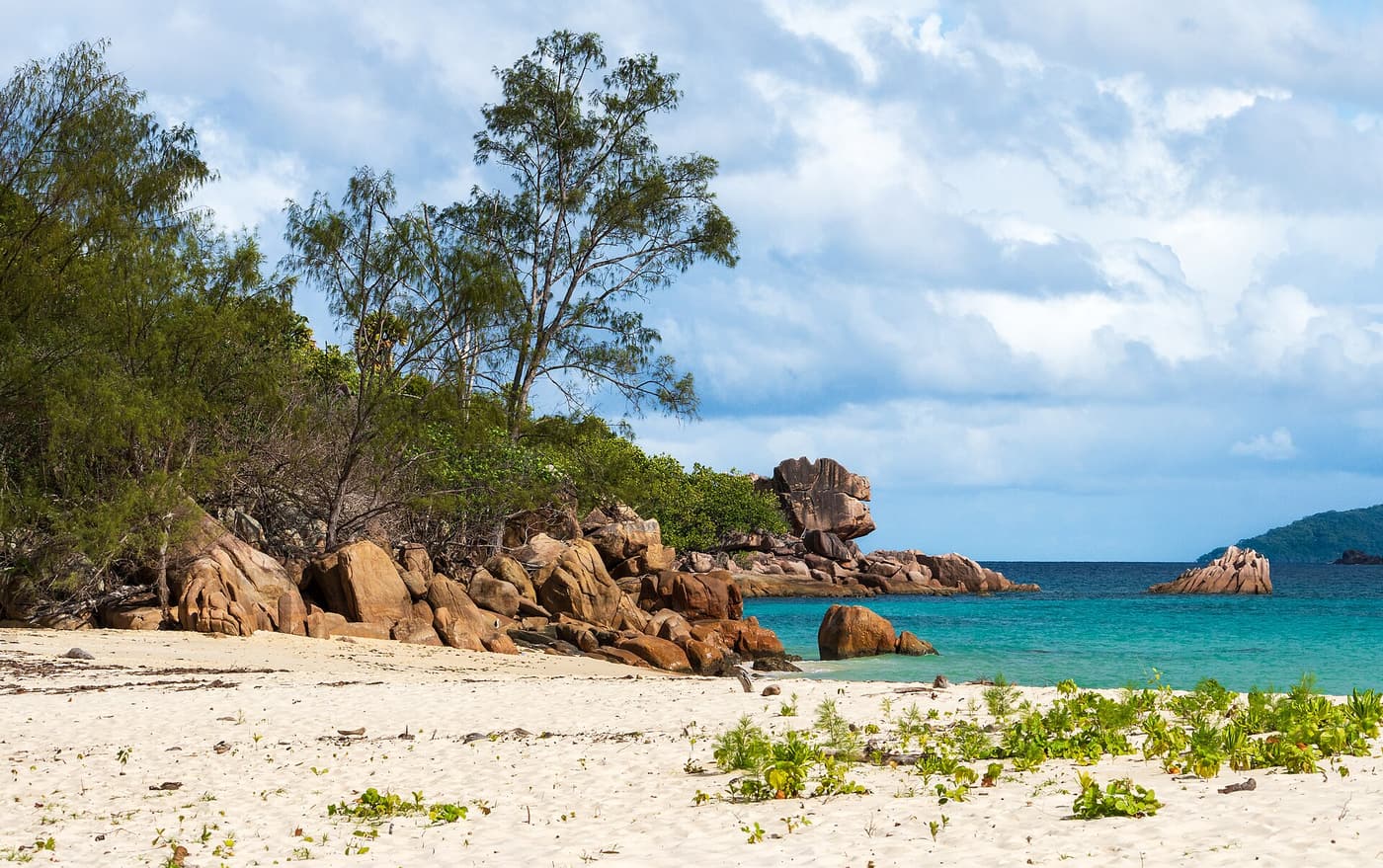
The bay is sheltered and usually calm, with granite boulders at either end. Snorkelling around the rocks is pleasant, though the main snorkelling stop of the day is normally St Pierre. Watch the boat traffic close to the beach.
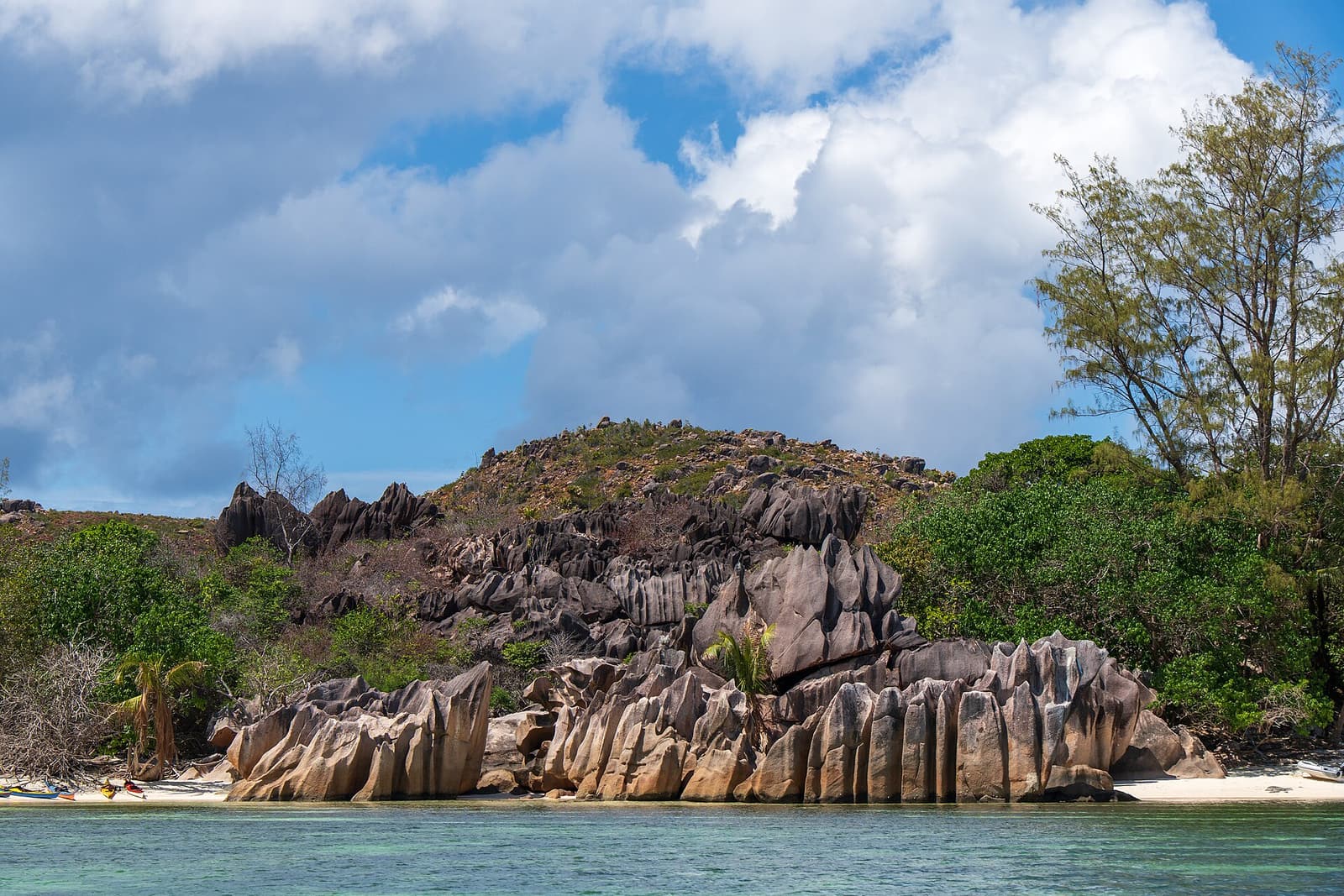
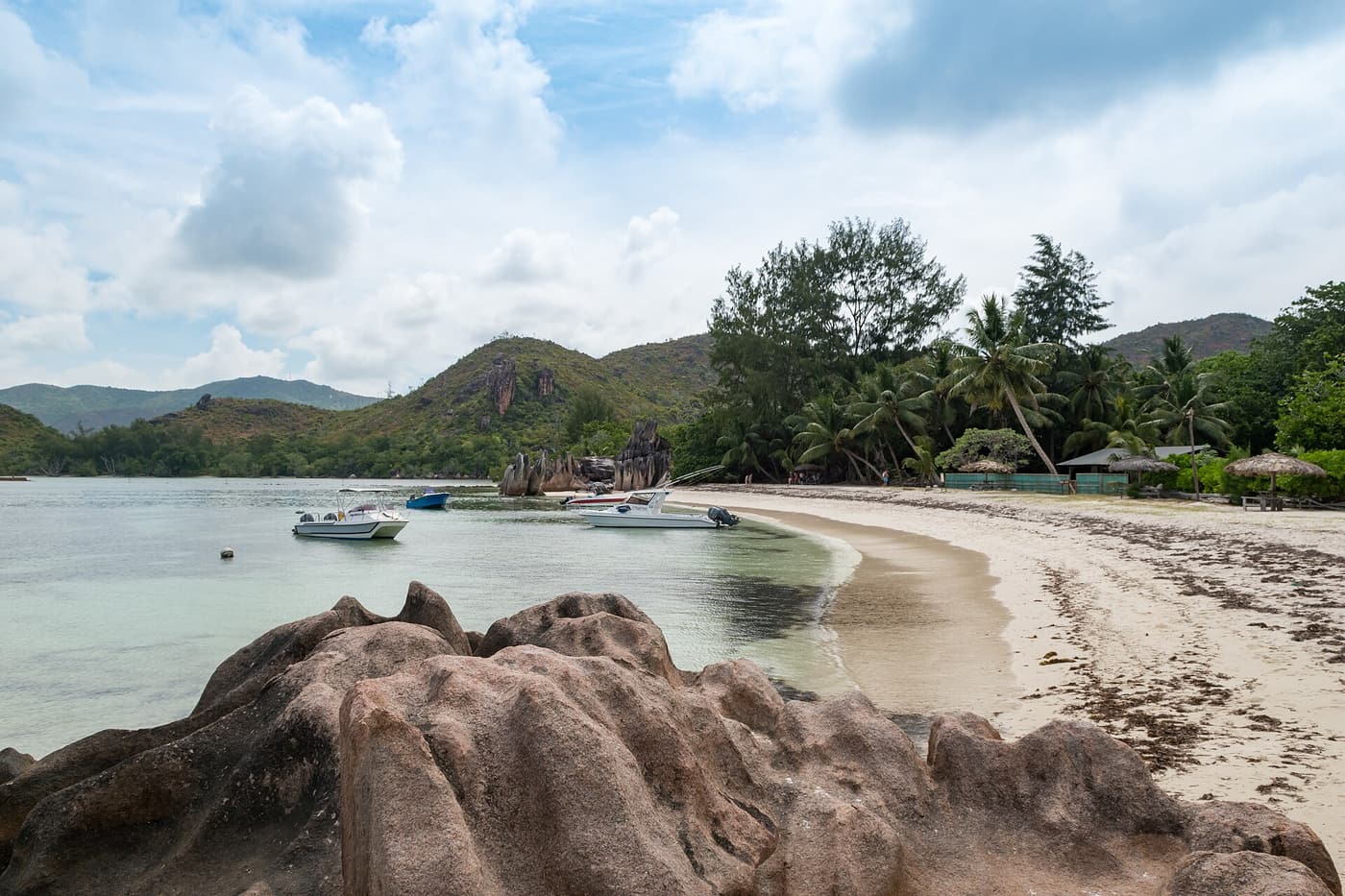
How to get to The Doctor’s House & Anse José
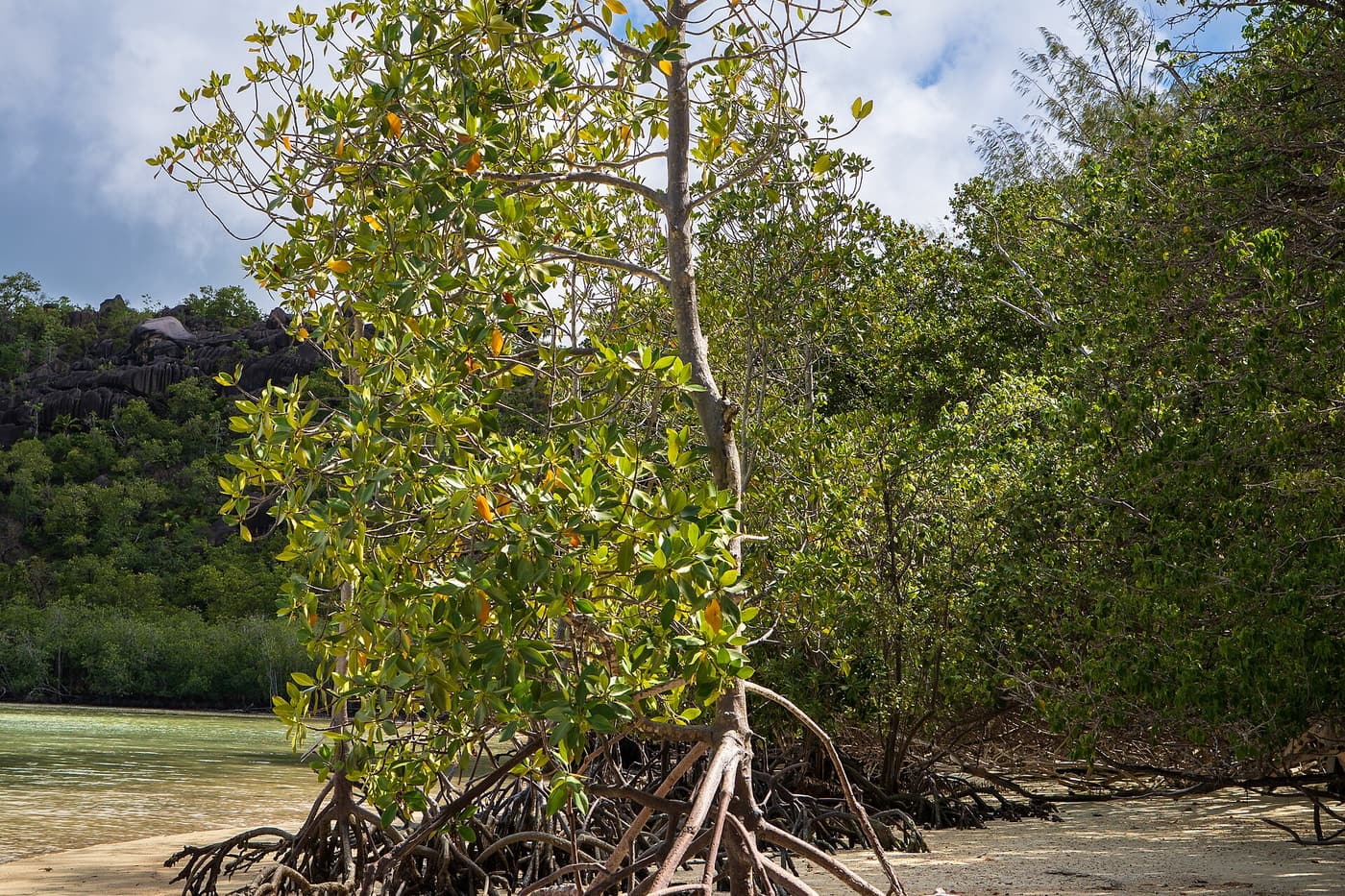
- Anse José is reached on foot from Baie Laraie along the mangrove trail, or directly by boat. Organised trips from Praslin normally land you at Baie Laraie and collect you here after lunch.
- Taxi boats and private charters can drop you here; agree the pickup time before you set off.
Insider tips
- If the museum matters to you, mention it to your boat crew at the start of the day so there is time to see it.
- There is some shade under the trees behind the beach — claim it early for lunch.
- Reef shoes are useful for getting in and out of the boat in the shallows.
- Respect the site’s history: it is a memorial as much as a museum.
Best tours & tickets for The Doctor’s House & Anse José
These top-rated experiences pair well with a visit to The Doctor’s House & Anse José:
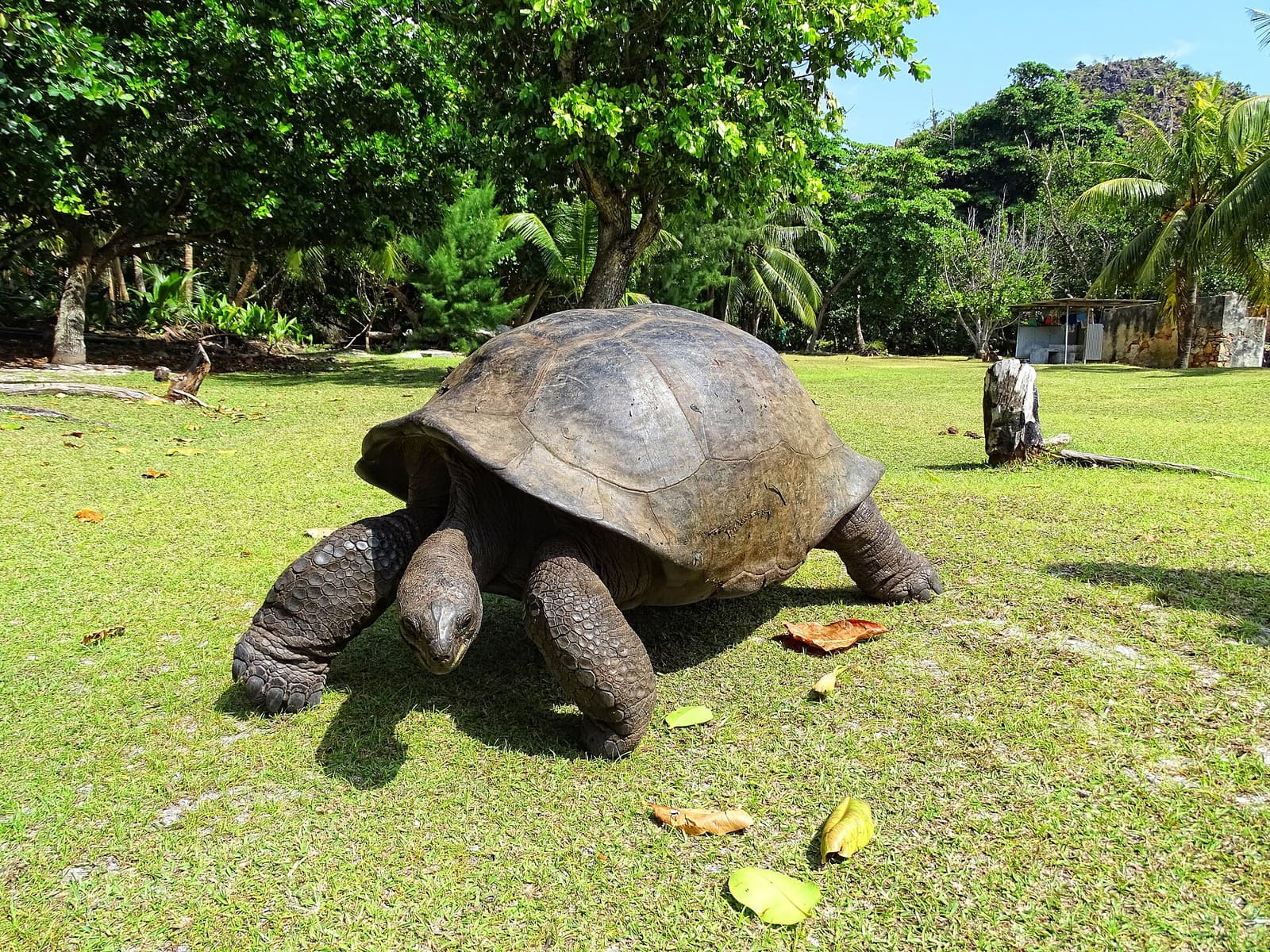 Full-day boat trip from €75
Praslin: Curieuse & St Pierre Island Day Trip with Barbecue
Another well-established full-day outing with nearly 900 reviews: tortoises and the nature trail on Curieuse, a Creole barbecue and time on the beach, and a snorkel in the clear water around St Pierre on the way back.
- Meet the giant tortoises
- Nature trails and a swim on Curieuse
- Creole barbecue, then snorkelling at St Pierre
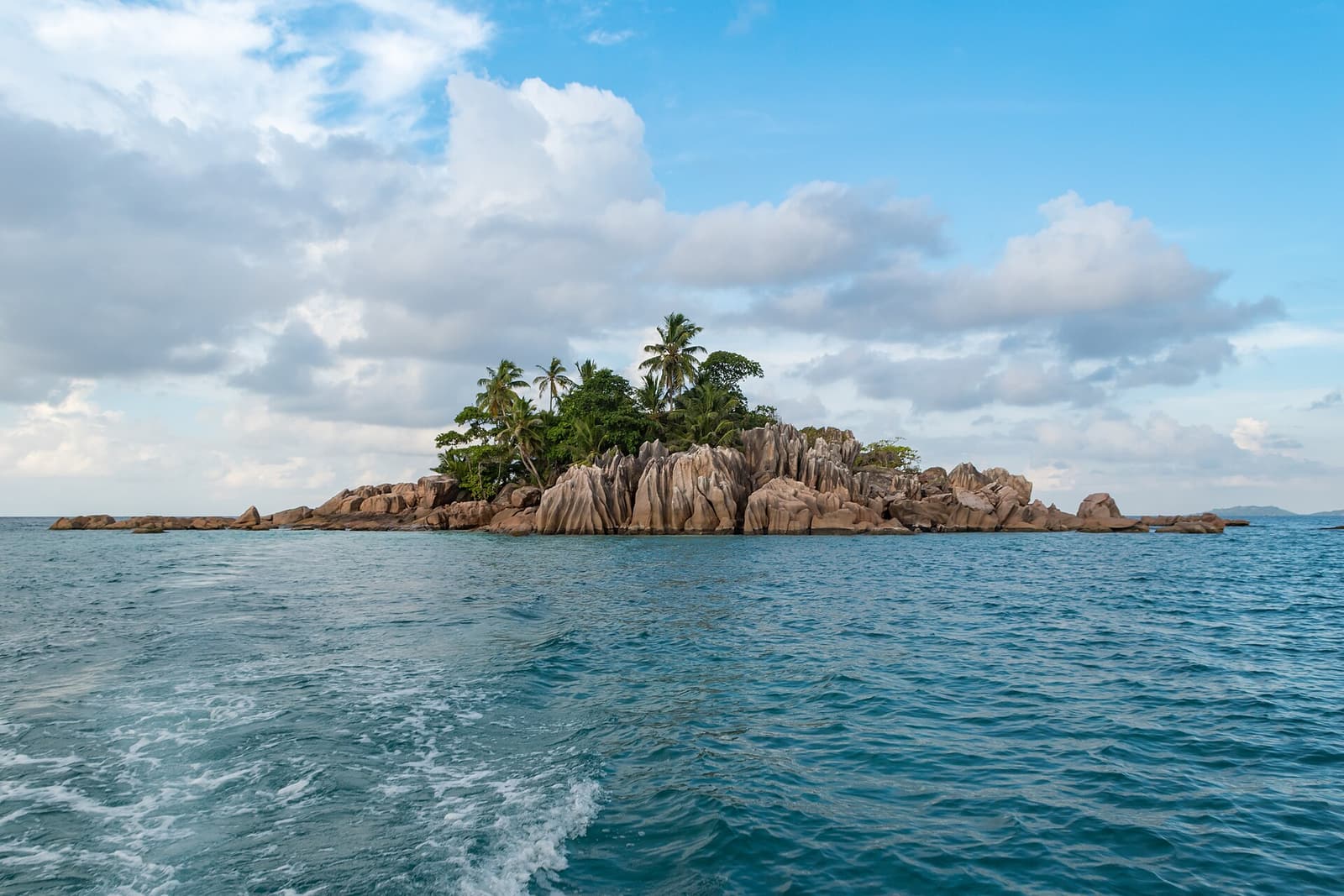 Full-day guided boat trip from €82
Curieuse Guided Tour, St Pierre, BBQ & 2 Snorkel Stops
A full-day guided cruise from Praslin to Curieuse with two separate snorkelling stops rather than one, a guided walk among the tortoises and a barbecue lunch with local drinks. Rated 4.9 from more than 1,100 reviews.
- Two snorkelling stops
- Guided visit on Curieuse with the giant tortoises
- BBQ lunch with local beer and rum
Full-day boat trip from €75 Curieuse and St-Pierre Island Adventure with Creole BBQ
A full-day alternative when the better-known boats are full: tortoises, the stroll through the mangroves, a beach barbecue and a snorkel stop, in about six and a half hours.
- Giant tortoises and a mangrove walk
- Beach barbecue
- Snorkelling on the reefs
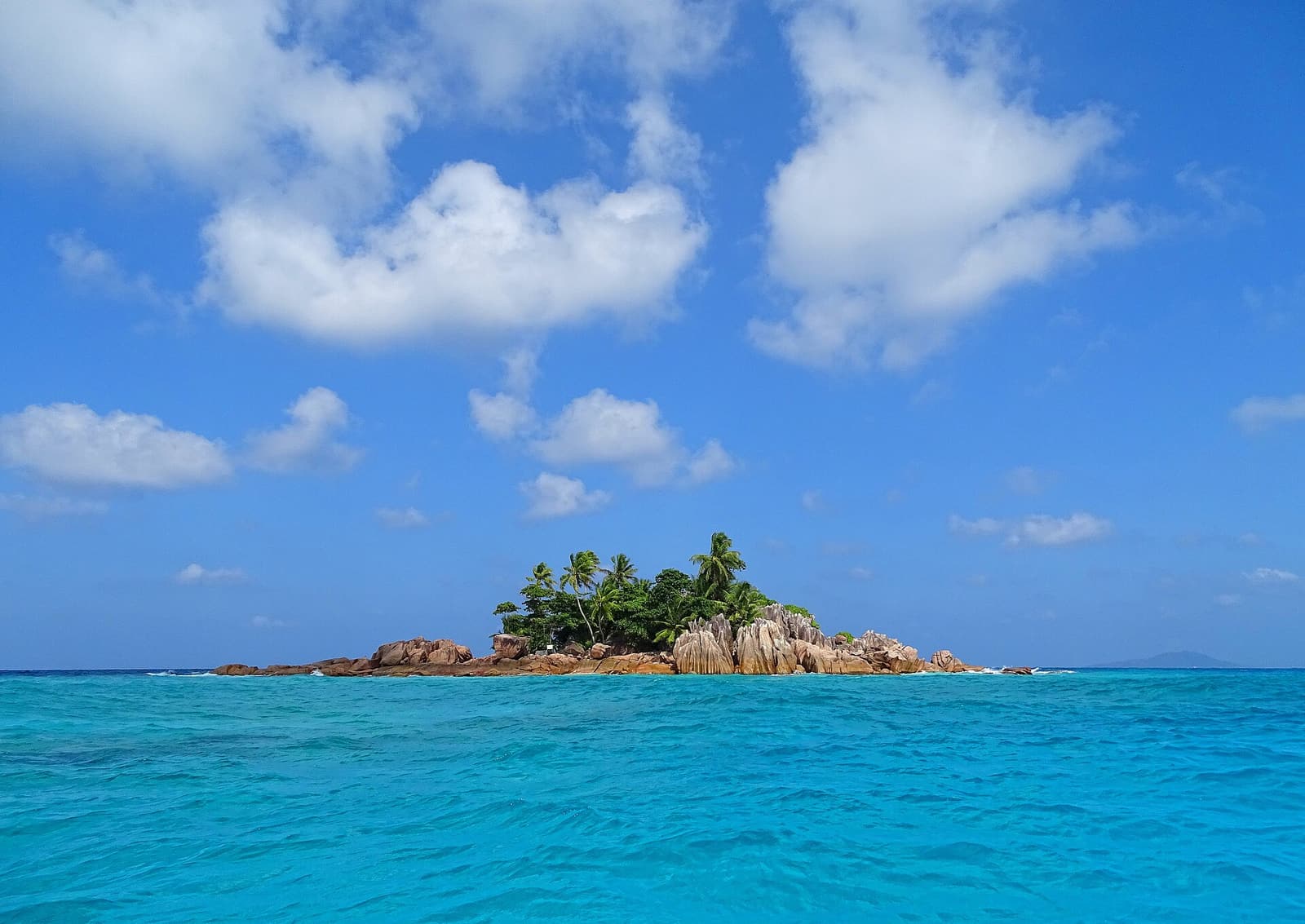 Full-day boat trip from €77
Curieuse and St. Pierre Islands Day Trip with BBQ Lunch
A slightly shorter full day, around six hours, covering the same essentials — the reefs of St Pierre, Curieuse’s tortoises and mangroves, and a Creole barbecue on the sand. Rated 4.7 from over 500 reviews.
- Snorkel over the reefs around St Pierre
- Tortoises and mangroves on Curieuse
- Creole BBQ on the beach